

Vietnam stretches along the South China Sea for over 1,600 kilometres, which makes timing a regional decision rather than a single national answer. Hanoi can feel cool and misty when Ho Chi Minh City remains warm. Hoi An can face heavy rain when the far south is easier to explore. The best time to visit Vietnam depends on your route, budget, beach plans and tolerance for heat. This guide separates the country by climate, then turns the calendar into practical travel choices.
Start with the Map Before the Calendar
| Region | Useful weather window | Main caution | Best fit |
| North Vietnam weather | March to April and September to November | Summer heat, winter mist, mountain cold | Hanoi, Sapa, Ha Long Bay |
| Central Vietnam weather | February to August | Stronger rain and storms from late summer onward | Hue, Da Nang, Hoi An |
| South Vietnam weather | December to April | Afternoon rain during wetter months | Ho Chi Minh City, Mekong Delta, Phu Quoc |
The strongest countrywide window is March to April. This period gives northern Vietnam lighter weather, central Vietnam clear days and southern Vietnam manageable heat before deeper rain arrives. It is also a sensible answer for travellers planning Hanoi, Hoi An and Ho Chi Minh City in one trip. The best time to visit Vietnam also changes when the route has only beaches or only mountains.
The First Answer for Most Travellers
For first-time visitors, the best time to visit Vietnam is generally March to April. These months reduce the chance of sharp regional conflict. Northern cities feel pleasant, Ha Long Bay has a better chance of clearer views, central coast towns are warm, and the south remains usable before heavier wet-season patterns build.
November can also work well for northern routes and southern cities, although central Vietnam may still carry rain risk. December to February suits southern beaches and city breaks, but the north can feel cold, grey and misty. May to August favours central beaches, yet the north and south become hotter and wetter.
Northern Vietnam Needs Two Plans
Northern Vietnam covers Hanoi, Ninh Binh, Ha Long Bay, Sapa, Ha Giang and mountain routes. It has sharper seasonal contrast than the southern plains.
- Choose March to April for city walks, light layers and greener countryside.
- Choose September to November for clearer mountain views and better trekking comfort.
- Pack warmer clothes from December to February, mainly for Sapa, Ha Giang and late evenings.
- Treat June to August carefully because heat, humidity and storms can affect cruises and long rides.
- Keep Ha Long Bay plans flexible because mist, heavy rain or tropical storms can affect boat movement.
Northern Vietnam can be beautiful outside peak windows, but it needs route discipline. A Hanoi food trip in January differs sharply from a Ha Giang motorbike loop in July.
Central Vietnam Has the Cleanest Beach Window
The central coast works on its own clock. Hue, Da Nang and Hoi An can be excellent from February to August, with warmer days and stronger beach potential from late spring into summer. Hoi An and Da Nang remain attractive during this stretch because walking, beaches, lantern evenings and short coastal drives can fit together without heavy rain dominating the plan.
Late summer and autumn need caution. Heavy rain, local flooding and storm systems can affect Hue, Da Nang and Hoi An from September onward. Travellers focused on heritage streets, beach days and photography should avoid building a central-coast trip entirely around the wettest months.
Southern Vietnam Works Around Heat and Rain
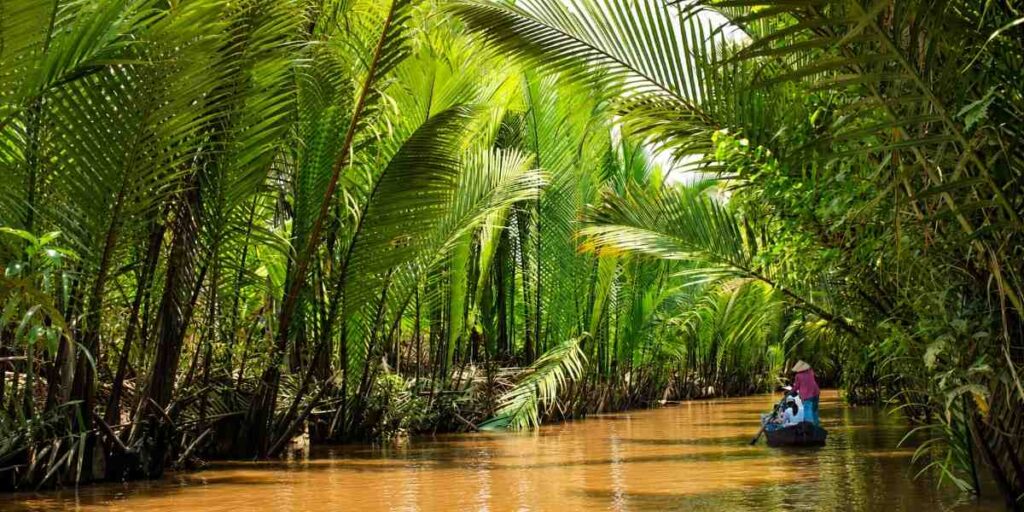
Southern Vietnam is warmer across the year and has a simpler dry and wet pattern. December to April suits Ho Chi Minh City, the Mekong Delta, Phu Quoc and Con Dao better than most other periods. City walking becomes easier during drier months, and island plans become more dependable.
May to October brings regular rain. The rain may arrive in bursts rather than all-day washouts, but outdoor markets, boat trips, beach transfers and delta plans still need flexibility. March and April can feel very hot in the south, which makes shaded breaks, early starts and hotel location important.
Rain Changes Meaning by Region
The Vietnam rainy season does not affect every area in the same way. In the north, summer rain can combine with heat and mountain road risk. In the centre, late-year rain can bring stronger disruption around Hue and Hoi An. In the south, showers can be heavy, brief and workable with a flexible schedule.
Use rain as a planning signal rather than an automatic cancellation reason. This is why the best time to visit Vietnam cannot come from a countrywide average alone. Museum time, cafe breaks, cooking classes and food tours can save wet days. Mountain treks, small-boat trips and open-sea routes need stricter caution.
Vietnam Months Without False Certainty
| Period | Better route choices | Planning note |
| January to February | South, Phu Quoc, Ho Chi Minh City, central coast on clearer days | North may feel cold and misty |
| March to April | Strongest cross-country route | Good balance for north, centre and south |
| May to August | Central coast, Da Nang, Hoi An beaches | North and south turn hotter and wetter |
| September to October | Northern mountains, Hanoi, selected routes | Central-coast rain risk rises |
| November to December | North and south combination | Central Vietnam still needs rain checks |
Use Vietnam weather by month as a guide, not a promise. A single storm system, cruise advisory or flood warning can change a good calendar month into a poor travel week.
Pick the Route Before the Dates
The right Vietnam travel season becomes clearer after you decide the route. A countrywide itinerary needs compromise, but a regional trip can be timed with much greater accuracy.
- Pick the non-negotiable experience first, such as Ha Long Bay, Hoi An, Sapa or Phu Quoc.
- Match the main region with its strongest weather window.
- Add secondary destinations only when the season supports them.
- Keep flights and trains realistic because Vietnam distances are easy to underestimate.
- Leave one flexible day near cruise, mountain or beach plans.
- Check local weather again before booking boats, treks or island transfers.
This method prevents a common planning error. This makes the best time to visit Vietnam a route decision before a calendar decision. A visitor may choose a strong month for Hanoi, then discover Hoi An is facing heavy rain or Phu Quoc needs different beach timing.
What Each Traveller Should Choose
| Traveller Type | Better Timing | Reason |
| First-time visitor | March to April | Best balance across major regions |
| Beach traveller | February to August for central coast, December to April for southern islands | Coast choice changes the answer |
| Trekking traveller | March to April or September to November | Northern routes need clearer skies and safer trails |
| Budget traveller | Shoulder months around April, May, September or November | Prices may soften outside major holiday peaks |
| Food and city traveller | November to April | Walking and street-food plans feel easier in drier weather |
The best time to visit Vietnam depends heavily on the route, region count and travel pace. Shorter trips should resist the urge to cover Hanoi, Hoi An, Ho Chi Minh City and islands at the same pace.
Also read: Best Time to Visit Dubai: 8 Months for Weather and Deals
Key Takeaways
The best time to visit Vietnam is March to April for most first-time cross-country trips, but regional timing gives a better answer. Northern Vietnam favours spring and autumn, central Vietnam works best before late-year storms, and southern Vietnam is easier from December to April. Pick the route first, then choose dates around the main experience. This approach gives stronger weather odds, fewer rushed transfers and a better chance of enjoying Vietnam with practical expectations.
FAQs
Does Tet change Vietnam travel timing?
Tet can affect transport, hotel prices, opening hours and restaurant availability. Travellers visiting during the Vietnamese New Year period should book early, expect family travel crowds and keep extra time around airports, trains and intercity routes.
Can Ha Long Bay cruises get cancelled because of weather?
Ha Long Bay cruises can be delayed or cancelled during storms, heavy rain, strong wind or unsafe sea conditions. Travellers should keep one flexible day near cruise plans and confirm operator updates before moving from Hanoi.
Is July a poor month for every Vietnam route?
July is not poor for every route because central coast beaches can still work well. Northern and southern routes may feel hotter and wetter, which makes regional planning more important than judging the whole country together.
Which months work better for Sapa or Ha Giang?
March to April and September to November work better for Sapa and Ha Giang because visibility, road comfort and trekking conditions are generally easier. Winter can bring cold nights, mist and stronger packing needs.
Should first-time visitors cover all three regions?
First-time visitors can cover all three regions with at least ten to fourteen days. Shorter trips feel better with two regions because flights, weather changes and local transfers can reduce meaningful time at each destination.






Leave a Reply