

Mumbai is best experienced rather than explained with a long list of attractions. The city swings from harbor views to railway-era architecture, from coastal promenades to working markets, from film neighborhoods to old restaurants and late-night food pockets. The distances in Mumbai can be misleading for first-time visitors, and thus travelers look for things to do in Mumbai. A smart plan keeps one part of the city in focus, and builds food, walking and sea-facing time around it without turning the day into a transport marathon.
Mumbai Through Five Strong Experiences
| Mumbai Experience | Best Areas | What It Gives You |
| Harbour Mumbai | Gateway, Colaba, Elephanta | Sea-facing history, ferries and colonial-era landmarks |
| Architecture Mumbai | CSMT, Fort, Oval Maidan, Marine Drive | Gothic, Indo-Saracenic and Art Deco city walks |
| Food Mumbai | Matunga, Bandra, Juhu, Mohammed Ali Road | Local snacks, bakeries, seafood and neighborhood eating |
| Market Mumbai | Crawford, Colaba, Chor Bazaar, Linking Road | Bargains, antiques, street browsing and working-city energy |
| Coastal Mumbai | Marine Drive, Bandstand, Juhu, Worli | Sunsets, skyline views and relaxed public spaces |
Maharashtra Tourism lists Chhatrapati Shivaji Maharaj Terminus, Marine Drive, Gateway of India, Haji Ali Dargah, Siddhivinayak Temple and the Bandra-Worli Sea Link among Mumbai City’s major attractions, which shows how the city’s visitor appeal is split between heritage, coast, worship and modern infrastructure.
The Harbor Side of Mumbai
The harbor side is the strongest place to begin the best things to do in Mumbai because it gives the city an immediate sense of scale. Start near the Gateway of India, then keep the first half of the day around Colaba, Kala Ghoda, Fort, or the ferry point.
The Gateway of India on the waterfront continues to be a tight-knit part of Mumbai’s colonial history and public memory. Maharashtra Tourism describes it as a massive arch built in 1924 and one of the major landmarks overlooking the Arabian Sea.
Elephanta Caves need more commitment than many visitors expect. UNESCO describes the site as a collection of rock art linked to the cult of Shiva, located on an island close to Mumbai. Keep a proper half-day window because the ferry, walking, cave visit and return take time.
Colaba makes sense after Gateway because shops, cafes, old hotels and short walking lanes sit close together. This is also where many first-time travelers begin narrowing down the main places to visit in Mumbai without crossing the city too early.
Follow Mumbai’s Architecture Trail
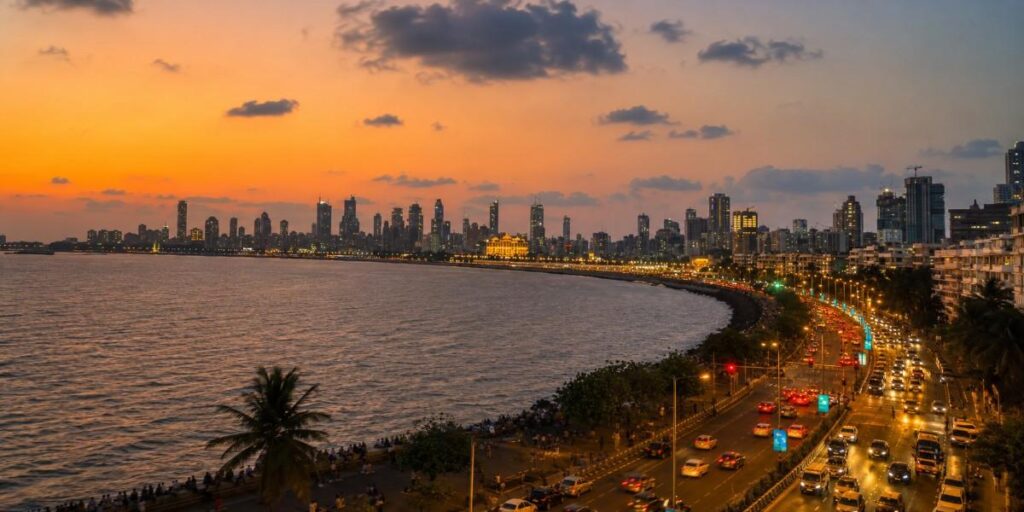
Mumbai’s architecture gives the city a stronger identity than a normal sightseeing list. This trail works best for travelers who enjoy walking, street photography, and old business districts.
- See Chhatrapati Shivaji Maharaj Terminus carefully: CSMT is a UNESCO World Heritage Site and a working railway station. UNESCO notes its Victorian Gothic design with Indian palace architecture influences, which makes the building more than a transport stop.
- Look at the BMC building from outside: The municipal building near CSMT adds another layer to the Fort area’s architecture. Keep the visit respectful because this is an active civic building, not a tourist complex.
- Walk through Kala Ghoda: Kala Ghoda offers a mix of preserved architecture, museums, galleries, and cafés. Its walkable streets make it an easy addition to any sightseeing route.
- Add Oval Maidan and the Art Deco stretch: UNESCO recognizes Mumbai’s Victorian Gothic and Art Deco ensembles for reflecting architectural and urban-planning developments across two centuries, with both styles facing each other across Oval Maidan.
- End toward Marine Drive: Marine Drive is an iconic coastal road with uninterrupted sea views. Maharashtra Tourism calls it the Queen’s Necklace because its lights shine like pearls along the bay at night.
This architecture trail is among the most rewarding things to do in Mumbai because it turns the city itself into an attraction.
Eat Through Mumbai by Neighborhood
Food in Mumbai becomes better when it is planned by the neighborhood. Chasing random viral places across the city often wastes more time than it saves.
| Neighbourhood | What to Try | Best Time |
| Matunga | Idli, dosa, filter coffee and South Indian meals | Morning |
| Mohammed Ali Road area | Kebabs, sweets and seasonal evening food | Evening |
| Juhu | Pav bhaji, bhel, gola and beach snacks | Evening |
| Bandra | Bakeries, cafes, seafood and casual dining | Afternoon or night |
| Fort and Colaba | Parsi cafes, old restaurants and lunch spots | Lunch |
The best street food in Mumbai experience does not require eating everything in one outing. Choose two strong stops, keep water handy and avoid heavy food before ferries, long cab rides, or crowded train movement.
Food adds local memory to the best things to do in Mumbai, especially when the meal matches the area already on your plan.
Markets That Show Mumbai’s Working Side
Mumbai markets are noisy, functional and full of character. They show how the city trades, bargains, repairs, sells and moves through the day.
- Crawford Market suits food products, household items, old architecture and dense shopping energy.
- Colaba Causeway works well for clothes, accessories, souvenirs, books and cafe breaks.
- Chor Bazaar is better for antiques, curios, old furniture, spare parts and patient browsing.
- Linking Road suits footwear, street fashion, accessories and casual suburb-side shopping.
- Dadar flower market works best very early, especially for photographers who can move respectfully.
Markets are practical things to do in Mumbai when you want the city’s working rhythm rather than a polished tourist stop.
See Mumbai From the Sea Edge
Mumbai’s coastline changes the mood of the trip. The same city that feels crowded near stations and markets can feel open near the water.
Marine Drive suits sunset, late evening walks and skyline views. Bandra Bandstand gives a suburb-side sea pause with cafes nearby. Juhu Beach feels livelier, louder and more food-focused. Worli Sea Face works for a shorter break when the weather is pleasant.
Haji Ali Dargah adds a spiritual stop connected to the sea. Maharashtra Tourism describes it as an Indo-Islamic shrine on an islet in the Arabian Sea, accessible by a narrow causeway.
These coastal choices keep the best things to do in Mumbai grounded in what the city does best: public space, sea air and constant movement.
Free things to Do in Mumbai That Still Feel Worthwhile
- Walk along Marine Drive during sunset or after dinner.
- View CSMT and nearby Fort buildings from public areas.
- Browse Colaba Causeway without committing to shopping.
- Spend time at Juhu Beach or Girgaum Chowpatty.
- Walk through Bandra lanes and Bandstand in good weather.
- Watch the city lights from Worli Sea Face.
- Explore public art, galleries, and street edges around Kala Ghoda.
Free plans work best when they are grouped by area. It doesn’t feel like an experience when a free stop means taking an expensive cab ride across town.
Things to Do in Mumbai at night Without Overplanning
Mumbai after dark is best enjoyed with an active, public and easy-to-get-out-of plan. Marine Drive has lights and the sea, Bandra has cafes and late restaurants, Colaba has dinner after a South Mumbai day, and Juhu has beach snacks and informal energy.
Theatre, stand-up shows, music events and late screenings can also work well if the venue is close to your stay. Keep return transport fixed before the night gets late, especially during rain or festival weekends.
Things to Do in Mumbai for couples
Couple plans in Mumbai are best when they are spacious, not secretive and not over-arranged. For old-city charm, take a harbor walk, starting near Gateway and Colaba. Kala Ghoda is where you go for galleries, cafes and conversation at a leisurely pace. If you prefer skyline views to privacy, save Marine Drive for the evening.
Bandra works well when the plan includes Bandstand, bakeries, dinner and a slower suburb-side mood. Avoid combining South Mumbai, Juhu and Bandra in the same evening unless the trip has enough time and patience.
Things to Do in Mumbai in One Day
A one-day plan requires a clear theme. Instead of trying to cram every famous site into one exhausting itinerary, try one of these three options.
Heritage and Harbor Day
Begin at the Gateway of India, walk through Colaba, explore Kala Ghoda, view CSMT from the outside, and finish at Marine Drive. This route covers Mumbai’s iconic landmarks in a single trip.
Food and Market Day
Begin with breakfast in Matunga before visiting Crawford Market or Colaba Causeway. Have lunch in Fort and end the day with street food or cafés in Juhu or Bandra.
Sea Views and Suburb Day
Start in Bandra, walk to Bandstand and the cafes around, then go to Juhu for snacks and end with a relaxed dinner. This is better for repeat visitors or people staying in the west of the suburbs.
Each plan keeps the best things to do in Mumbai realistic for distance, weather, and energy.
Practical Mumbai Travel Notes
- Keep South Mumbai and western suburbs as separate plans whenever possible.
- Use local trains only when you understand the line, direction, and crowd timing.
- Avoid peak office hours if traveling with luggage or children.
- Check ferry status before planning Elephanta Caves.
- Carry rain protection during monsoon months.
- Keep extra time for airport transfers.
- Wear comfortable footwear for markets, stations and promenades.
- Keep small cash for snacks, markets and short purchases.
- Avoid isolated seafront stretches late at night.
Maharashtra Tourism notes that Mumbai City is best visited from October to February for sightseeing and exploration, while June to September brings heavy monsoon rain.
Also read: Best Things to Do in Goa Apart from Beaches and Nightlife
Final Takeaway
Mumbai becomes more enjoyable when you stop treating it like a checklist of famous names. Build the day around harbor views, architecture, food neighborhoods, markets, or the sea, then keep movement tight inside that theme. The most memorable things to do in Mumbai are often simple experiences done in the right area at the right time. Choose fewer stops, allow for traffic and weather, and let the city reveal itself through walking, eating, watching, and pausing.
FAQs
1. Which Mumbai area works best for a first-time visitor?
South Mumbai works best for a first-time visitor because Gateway of India, Colaba, Kala Ghoda, Fort, CSMT and Marine Drive can be grouped sensibly. Bandra suits travelers who prefer cafes, nightlife and suburb-side sea views.
2. How much time should visitors keep for Elephanta Caves?
Visitors should keep at least half a day for Elephanta Caves because the plan includes ferry movement, walking, cave exploration and return timing. It should not be squeezed between two distant city attractions.
3. Which Mumbai plan is better during monsoon?
A monsoon plan should favor indoor museums, cafes, galleries, restaurants and short sea-view stops when conditions are safe. Ferries, beach edges, long road transfers and low-lying flooded areas need extra caution during heavy rain.
4. Where can tourists experience old Mumbai charm?
Fort, Kala Ghoda, Colaba, Ballard Estate and parts of South Mumbai offer old Mumbai charm through heritage buildings, cafes, business streets, galleries and harbor access. Walking works better than covering these areas by car.
5. How should travelers choose between Colaba and Bandra?
Colaba suits heritage, Gateway of India, museums, markets and South Mumbai walks. Bandra suits cafes, bakeries, nightlife, Bandstand and western-suburb stays. The better choice depends on where the visitor is staying and how much time remains.


Leave a Reply